Blog

High-Voltage Battery Safety After EV Collisions Around Bossier City, LA

High-Voltage Battery Safety After EV Collisions Around Bossier City, LA

Yokem Collision Center – High-Voltage Battery Safety After EV Collisions Around Bossier City, LA

High-voltage battery safety is one of the most important topics after a hybrid or electric vehicle collision. Drivers around Bossier City, LA often want to know whether an EV can still be driven, whether battery damage is visible, and what a qualified collision repair team checks before repairs begin. Those are smart questions. Electrified vehicles are engineered with strong battery enclosures, protective shields, cooling systems, and safety disconnects, but a collision can affect components that are not easy to see from the outside. A vehicle might have a scuffed bumper and still need diagnostic scans, underbody inspection, or ADAS calibration. Another vehicle might appear intact but have hidden damage near battery mounting points, cooling lines, or structural supports.

At our center, we treat hybrid and EV collision repair as a complete safety process, not just a body repair. The high-voltage system, body structure, mechanical components, electronics, paint finish, and driver assistance systems all work together. If one area is overlooked, the vehicle may not perform as designed. That is why OEM repair procedures matter. Manufacturer guidelines help determine when a system must be powered down, which components require replacement, where measurements must be taken, and whether calibration or diagnostic confirmation is needed. For local drivers moving between Bossier City, Shreveport, I-20, I-220, Airline Drive, and the surrounding Ark-La-Tex communities, a properly repaired EV or hybrid should return with both appearance and safety restored.

Why High-Voltage Systems Need Special Attention

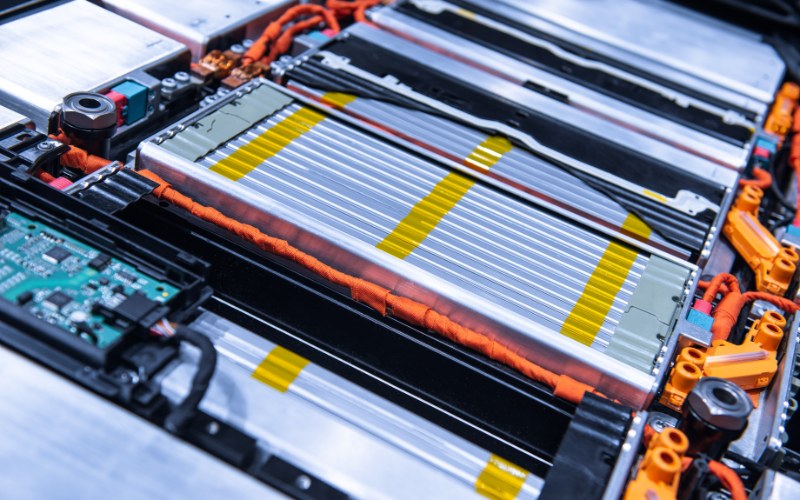
Hybrid and electric vehicles use high-voltage components to move energy between the battery, inverter, electric motor, onboard charger, and related systems. These components are built with safety in mind, but collision repair introduces unique risks. Before welding, refinishing, structural repair, or disassembly, technicians need to understand how the vehicle is designed and which procedures apply. High-voltage cables are commonly marked in orange, but safe repair work involves more than spotting cable color. It can include battery state evaluation, system isolation, diagnostic scanning, and review of manufacturer-specific repair instructions.

Battery placement varies by vehicle. Some hybrid batteries are mounted beneath rear seating areas, some plug-in hybrids place larger packs under the floor, and many EVs use a floor-mounted battery structure that contributes to overall vehicle rigidity. A side impact, underbody strike, rear collision, or suspension hit can transfer force into areas connected to the battery enclosure. Even when the pack itself is not damaged, the surrounding structure may require exact measurement and repair. This is where collision repair, mechanical service, and structural inspection overlap.

Warning Signs That Deserve a Professional Inspection

Not every post-collision warning sign means a battery is damaged, but certain symptoms should never be ignored. A hybrid or EV should be inspected if the vehicle shows electrical alerts, charging concerns, unusual odors, fluid leaks, cooling system problems, or underbody damage. Warning lights can also appear after sensors or modules lose communication during a collision. Because modern vehicles rely on interconnected electronics, a diagnostic scan is an important step before and after repairs.

  • Dashboard warnings: Hybrid system alerts, EV system messages, airbag lights, ABS warnings, or ADAS alerts can indicate hidden issues.
  • Charging problems: Slow charging, interrupted charging, or failure to charge after an impact should be reviewed promptly.
  • Fluid concerns: Coolant under the vehicle can signal damage to battery cooling, radiator, condenser, or related lines.
  • Underbody impact: Scrapes, dents, torn shields, or bent brackets near the battery area need careful inspection.
  • Driving changes: Pulling, vibration, braking changes, or unusual sounds can point to suspension, alignment, or structural damage.

A collision repair plan should connect these clues to a documented inspection. If hidden damage appears during disassembly, the repair team can prepare a supplement for the insurance carrier with photos, measurements, and OEM procedure references. That documentation helps support the correct repair rather than a quick visual fix.

What a Proper EV Battery Area Inspection Includes

A proper inspection starts with vehicle identification and repair information. The technician needs to know the exact model, trim, powertrain, and manufacturer requirements. From there, the process may include a walk-around inspection, underbody review, high-voltage safety steps, scan diagnostics, battery enclosure inspection, cooling system checks, and structural measurement when collision forces suggest possible movement. Some repairs also require wheel alignment checks, because suspension geometry can affect ADAS calibration and vehicle stability.

  1. Vehicle intake: Damage location, warning lights, drivability concerns, and insurance details are documented at the start.
  2. Diagnostic scanning: Pre-repair scans help identify faults in powertrain, safety, body, and ADAS modules.
  3. High-voltage precautions: Manufacturer procedures guide power-down steps and safe handling before repair work begins.
  4. Structural review: Battery supports, underbody shields, rocker areas, frame rails, and mounting points are checked when impact location requires it.
  5. Post-repair confirmation: Final scans, calibration checks, road testing, and quality control help verify that systems operate correctly.

This approach is especially important because an EV battery is not just another part. It is expensive, safety-critical, and integrated into the vehicle’s engineering. Correct repair decisions protect vehicle performance, charging reliability, crash protection, and resale value.

ADAS Calibration and Battery Safety Often Connect

Many EVs and hybrids come equipped with advanced driver assistance technology such as automatic emergency braking, lane keep assist, adaptive cruise control, parking sensors, blind spot monitoring, and 360-degree cameras. These systems depend on radar sensors, cameras, ultrasonic sensors, and control modules. A collision near a bumper, grille, windshield, mirror, wheel, or quarter panel can affect calibration. Even a minor change in ride height, alignment, or sensor bracket angle can reduce system accuracy.

Battery safety and ADAS calibration may seem unrelated, but both depend on following manufacturer procedures. For example, if a collision damages suspension components near a wheel, the repair may require structural measurement, wheel alignment, sensor inspection, and dynamic calibration. If glass replacement is needed, windshield-mounted cameras may require recalibration. If bumper covers are refinished or replaced, radar sensors behind or near those covers may require confirmation. A complete repair plan accounts for these connections instead of treating each concern separately.

Insurance Claims and Your Right to Choose

After an accident, an insurance company may recommend a repair facility, but Louisiana drivers have the right to choose where the vehicle is repaired. That choice matters for hybrid and EV owners because repair standards can affect safety systems, warranties, long-term value, and vehicle confidence. Our team works with major insurance carriers, documents visible and hidden damage, and assists with supplements when additional repair needs are found during disassembly.

For hybrid and EV repairs, documentation is not just paperwork. It can show why a high-voltage inspection is needed, why OEM parts may be required, why calibration is necessary, or why hidden structural damage changes the original estimate. Clear communication also helps reduce confusion during a repair that may involve parts availability, scan results, manufacturer procedures, and insurance approvals. A knowledgeable advisor can explain each stage in plain language so the owner understands what is happening and why.

Frequently Asked Questions:

Can an EV be driven after a minor collision?

It depends on the damage and any warning messages. If the vehicle shows high-voltage alerts, charging problems, fluid leaks, underbody damage, airbag deployment, or handling changes, driving should be avoided until a qualified inspection is completed.

Is a battery inspection needed if the impact was not near the battery?

Sometimes, yes. Collision energy can travel through the body structure, suspension, or underbody. The inspection needed depends on impact location, vehicle design, diagnostic results, and manufacturer procedures.

Does EV collision repair take longer than standard repair?

Repair time depends on damage severity, parts availability, insurance approvals, scans, calibrations, and any required high-voltage precautions. The process can involve more verification steps than a conventional cosmetic repair.

Why should OEM procedures be followed?

OEM procedures define how the vehicle was engineered to be repaired. Those procedures help protect structural integrity, high-voltage safety, ADAS function, paint durability, and overall performance after a collision.

Hybrid and EV technology will continue to become more common across Bossier City, Shreveport, and the wider Ark-La-Tex area. As more drivers choose electrified vehicles, collision repair must keep pace with the technology. The safest path after an accident is a careful evaluation from a repair team that understands high-voltage precautions, structural measurement, ADAS calibration, mechanical repair, refinishing, and insurance documentation. When a battery system, sensor network, or factory safety design is involved, a surface-level repair is not enough. A complete repair approach helps return confidence along with the keys.

Request more information

Child Seat Insurance Documentation Tips for Shreveport, LA Families

Child Seat Insurance Documentation Tips for Shreveport, LA Families

Yokem Collision Center – Child Seat Insurance Documentation Tips for Shreveport, LA Families

After a collision, child safety seat replacement can become one of the most important details in the insurance process. Parents often ask whether a car seat must be replaced, how to prove replacement is necessary, and what paperwork can help support the claim. The answer depends on the car seat manufacturer’s instructions, the severity of the crash, insurance policy handling, and the documentation available after the accident. Around Shreveport, Louisiana, drivers may be dealing with a rear-end collision on I-20, a side impact near a school entrance, or a parking lot impact while running errands. Regardless of where the crash happens, a child restraint that was installed during the accident should be treated as a safety item, not a cosmetic accessory.

A car seat is designed to manage crash forces once. Even if it looks normal afterward, the shell, harness, base, buckle, or internal foam may have absorbed energy. Some manufacturers require replacement after any crash, while others follow a minor-crash standard similar to National Highway Traffic Safety Administration guidance. That minor-crash standard is narrow. The vehicle must be driveable from the scene, the nearest door must be undamaged, no injuries can be reported, airbags must not deploy, and the seat must show no visible damage. If any of those conditions are missing, replacement is usually the safer and more defensible path. Strong documentation helps families move through the claim process with less confusion.

Start With the Car Seat Manual

The car seat manual is the first document to review after a crash. It explains whether the manufacturer requires replacement, allows continued use after a minor crash, or requests direct contact for a decision. If the printed manual is not available, most manufacturers publish manuals online by model name or model number. Look for the section titled crash, accident, reuse after crash, or replacement after collision. Save a screenshot or printed copy of that page for the insurance file.

Car seat labels are also important. Before discarding anything, photograph the model number, serial number, date of manufacture, expiration date, and manufacturer contact information. These labels are often located on the side, bottom, back, or underside of the base. For infant seats, remember to document both the carrier and the base if both were installed during the collision. For convertible seats, all labels on the restraint should be captured clearly.

Photos That Help Support the Claim

Insurance documentation is much stronger when photos show the seat, the vehicle, and the crash relationship. If the vehicle is safe to access, take photos before removing the child restraint. Show how the seat was installed, whether it used a seat belt or LATCH, and where it was positioned in relation to the impact. For example, a car seat installed behind a damaged rear passenger door creates a different documentation picture than a seat installed far from a minor front bumper scuff.

  • Installed position: Photograph the child safety seat exactly where it sat during the crash, including the vehicle seating row and side.
  • Impact area: Capture the damaged bumper, door, quarter panel, liftgate, or side structure from several angles.
  • Seat labels: Photograph the model number, serial number, manufacture date, expiration date, and warning labels.
  • Harness and buckle: Document straps, chest clip, buckle tongues, adjuster, base lock, recline mechanism, and any visible stress marks.
  • Airbag and cabin details: Take photos of deployed airbags, locked seat belts, damaged trim, broken glass, or shifted interior components.

Do not alter, cut, or throw away the car seat before the claim is reviewed unless the insurance carrier gives clear instructions. Some carriers ask for photos only, while others request proof that the seat was destroyed after replacement. If destruction is requested, follow the insurer’s direction and keep a record of the steps completed.

What to Ask the Insurance Carrier

When speaking with the insurance adjuster, be specific. State that a child safety seat was installed in the vehicle at the time of loss, provide the seating location, and explain whether a child was occupying the seat. Ask what documentation is required for reimbursement or replacement approval. The answer may include photos, a receipt, the manufacturer’s crash replacement policy, or a copy of the collision estimate.

  1. Confirm coverage: Ask whether child restraint replacement is handled under the property damage claim, medical payment portion, or another claim category.
  2. Ask about documentation: Request a written list of required photos, receipts, manufacturer guidance, and claim forms.
  3. Clarify seat disposal: Ask whether the damaged seat must be kept, photographed, destroyed, or surrendered.
  4. Request written confirmation: Save email or portal messages showing approval, denial, or additional documentation requests.
  5. Keep repair paperwork: Store the collision estimate, supplement notes, and final repair records with the car seat file.

A well-organized file can reduce back-and-forth. Create one folder for the claim number, adjuster messages, crash photos, car seat label photos, manufacturer manual pages, replacement receipt, and repair documentation. If more than one child restraint was installed, create separate notes for each seat.

How Collision Repair Documentation Helps

Collision repair paperwork can help explain the severity and location of vehicle damage. At our collision center, we understand that families want clear answers after an accident, not vague explanations. A written estimate may show damaged doors, quarter panels, seat belt components, structural areas, glass, sensors, or interior trim near the child restraint. Supplemental documentation may reveal hidden damage found after disassembly. That information can be useful when an insurer evaluates whether a child safety seat replacement request is reasonable.

Our process is built around careful inspection, insurance coordination, certified repair, and final quality checks. Modern vehicles include advanced safety systems, high-strength structures, and seat belt components that must be repaired according to the manufacturer’s standards. If a collision affects the structure near a car seat installation point, a quick visual glance may not tell the full story. Documentation from a factory-focused repair process helps families understand the vehicle side of the crash while the car seat manufacturer provides guidance on the restraint itself.

Do Not Reuse a Questionable Seat

If replacement guidance is not yet confirmed, avoid using the crashed seat. A temporary replacement from a trusted source is safer than reinstalling a questionable restraint. Avoid secondhand seats unless the full history is known, the seat has never been in a crash, all labels are present, the manual is available, the expiration date has not passed, and no parts are missing. A used seat with an unknown past can create more risk than peace of mind.

Once a replacement seat is selected, install it according to both the car seat manual and the vehicle owner’s manual. Make sure the restraint matches the child’s age, weight, height, and developmental needs. Louisiana families can also look for help from a certified child passenger safety technician for installation education. A proper installation matters as much as buying the correct replacement seat, especially after a stressful crash when small details are easy to miss.

Frequently Asked Questions:

Should I include the car seat in the original insurance claim?

Yes. Mention every child restraint installed in the vehicle as early as possible. Provide the seat location, photos, label information, and manufacturer replacement guidance.

What if the insurance estimate does not mention the child seat?

Ask the adjuster to add the child restraint to the claim review. A vehicle repair estimate focuses on vehicle damage, so the car seat may need separate documentation.

Can a collision center decide whether my car seat is safe?

A collision center can document vehicle damage and repair needs, but the car seat manufacturer’s instructions determine crash replacement guidance for the restraint.

What should I do with the old seat after replacement?

Follow the insurance carrier’s instructions. If disposal is allowed, remove labels if directed, cut straps, mark the shell as crashed, and prevent future reuse.

Child safety seat replacement after a crash is not just a paperwork issue. It is part of protecting your child during every drive that follows. With clear photos, manufacturer guidance, insurance communication, and thorough collision repair documentation, families can make informed decisions with more confidence. If your vehicle was involved in a crash and a car seat was installed, start documenting right away, ask direct questions, and keep every record connected to the claim.

Request more information

Aluminum Body Repair Questions Shreveport, LA Drivers Should Ask

Why One-Stop Collision and Mechanical Repair Matters After a Crash in Bossier City, LA

Aluminum Body Repair Questions Shreveport, LA Drivers Should Ask

Aluminum has reshaped vehicle safety and efficiency, but it changed how collision repair must be done. If your Ford F-150, luxury sedan, or aluminum-intensive crossover is damaged around Shreveport, LA, the questions you ask up front determine whether the result is factory-correct or a compromise you’ll notice on Youree Drive at rush hour. Our team at Yokem Collision Center put together the most practical questions to bring to any estimate — the kind that reveal if a shop truly understands aluminum or just treats it like steel with different buzzwords.

How will you isolate aluminum repairs from steel work?

The right answer includes a dedicated bay or zone, non-ferrous tools, dust extraction, and a clean workflow that prevents cross-contamination. Aluminum dust and steel particles don’t mix — that’s how galvanic corrosion starts under paint months later. Ask to see the aluminum area. A quick walk-through often tells you everything you need to know.

We separate aluminum and steel start to finish, then track each step in your repair file. That includes surface prep, adhesive selection, and seam sealing. Documentation matters because it proves to you — and to your insurer — that the job followed OEM spec, not guesswork.

Do you follow OEM bonding and fastener procedures?

Modern aluminum structures rely on a blend of structural adhesives, self-piercing rivets, flow-drill screws, and in limited cases, specific welds. The exact mix changes by brand and model. A qualified shop will show you the OEM body repair manual pages for your VIN, not a generic guideline. That detail protects crash performance and warranty coverage.

We source brand-approved adhesives and fasteners, then apply OEM sectioning limits and squeeze-out specs that control corrosion and joint strength. Getting adhesive thickness and cure right is not optional — it’s part of the structure.

How will you manage heat and straightening on aluminum?

Aluminum work-hardens and fatigues differently than steel. Excess heat can weaken temper; aggressive pulling can ripple panels or stress adjacent areas. A proper answer explains localized heating where allowed, controlled straightening, and when the OEM requires outright replacement instead of repair.

We measure before and after every corrective move, then confirm structural dimensions on a computerized system. If the brand forbids sectioning in a zone, we replace — period. That’s how you keep roof crush strength, airbag timing, and crash energy paths intact.

What about ADAS calibration after body or glass work?

Any time you replace a windshield, bumper cover, grille, or repair front structures, radar and camera angles can shift. Calibration isn’t a guess; it requires targets, level floors, correct ride height, and sometimes a dynamic road test. In Shreveport, we validate calibrations on real routes — I-49 ramps, Bert Kouns Industrial Loop speeds, and city traffic that challenges adaptive cruise and lane keep.

We perform pre- and post-scans, static and dynamic calibrations where required, and include printed reports in your delivery packet. If a vehicle needs alignment first, we do that in-house so every calibratable system sees the road exactly as engineered.

How do you guarantee color match and finish quality on aluminum?

Color match starts with OEM formulas, then blending into adjacent panels for pearls and metallics. A downdraft booth controls dust and bake cycles, while proper primers and sealers ensure adhesion on aluminum. Shops that skip blending leave a visible edge — one you’ll notice on sunny drives across the Red River bridges.

We measure paint depth, check gloss and texture, and inspect panel gaps under bright light. Then we road-test for wind noise so you don’t discover a lifted seal or misaligned molding on I-20 at 60 mph.

What should a complete aluminum repair plan include?

  • VIN-specific procedures: Printed or digital OEM repair steps for your exact model.
  • Parts sourcing: OEM-spec components and documented fastener/adhesive choices.
  • Isolation protocol: Dedicated aluminum bay, tools, and dust control plan.
  • Calibration path: Pre/post-scans and required ADAS/calibration steps.
  • Refinish approach: Blend strategy, bake temps, and corrosion protection details.
  • Timeline updates: Milestone communication and supplement handling with your insurer.

When you see these elements in writing, you’re far more likely to get a safe, durable repair that protects value at trade-in time. If anything’s missing, press for details — it’s your vehicle and your right under Louisiana law to choose a qualified shop.

Frequently Asked Questions:

Is aluminum repair always more expensive?

It can be because of specialized tools, adhesives, fasteners, and time, but the bigger factor is following OEM procedure correctly the first time so you do not pay twice for corrections.

Can small dents in aluminum be fixed with PDR?

Yes, if the paint is intact and the metal hasn’t stretched or creased past a repairable limit. We assess panel access and lighting reflection to confirm feasibility.

Will I need ADAS calibration after a bumper repair?

Often yes. Many front and rear bumpers house radar for blind spot and adaptive cruise. Even minor shifts can alter aiming and require calibration.

Do I have to use my insurer’s preferred shop?

No. In Louisiana, you choose your collision center. We work directly with all major carriers while advocating for OEM procedures on your behalf.

How can I protect resale value after a collision?

Insist on OEM-spec procedures, documented calibrations, paint blending where needed, and a written warranty. Keep the full repair packet with your service records.

Shreveport drivers know daily commutes test repairs quickly — from Youree Drive stoplights to I-20 merges. Ask the right questions, choose a certified team, and expect documentation that proves the job was done to factory standards. That’s how you protect safety, appearance, and long-term value in our local driving conditions.

Request more information

Why One-Stop Collision and Mechanical Repair Matters After a Crash in Bossier City, LA

Why One-Stop Collision and Mechanical Repair Matters After a Crash in Bossier City, LA

Yokem Collision Center – Why One-Stop Collision and Mechanical Repair Matters After a Crash in Bossier City, LA

After a crash, the most visible damage often gets the most attention. A bumper cover may be torn, a fender may be creased, or a door may be out of alignment. For many drivers around Bossier City, LA, however, the real repair question is broader: did the impact affect mechanical systems, structural points, cooling components, steering, suspension, glass, electronics, or driver assistance technology? That question matters on daily routes like I-20, I-220, Airline Drive, Benton Road, and the Red River crossings connecting Bossier City and Shreveport. A vehicle repaired only for appearance may still have hidden issues that affect safety, comfort, tire life, and long-term value.

A one-stop collision and mechanical repair approach helps solve this problem by keeping the full repair process under one roof. Instead of sending a vehicle from a body shop to a mechanical shop, then to a calibration provider, then back for final assembly, our facility can evaluate and repair body damage, mechanical concerns, frame or unibody movement, paint, glass, and ADAS systems through one coordinated process. That reduces confusion, improves communication, and supports factory-standard repair from estimate to delivery.

Collision Damage Can Travel Beyond the Body Panels

Collision energy does not stop at the bumper. It can move through brackets, frame rails, radiator supports, wheels, suspension arms, steering components, sensors, and electrical connections. A front-end impact may damage a grille and hood while also affecting the radiator, AC condenser, cooling fan, headlight brackets, radar sensor, or alignment. A side impact may create door and quarter panel damage while also shifting hinges, compromising weather seals, or affecting seat belt and airbag system sensors. A rear impact may look like bumper damage but involve exhaust, trunk floor, blind spot sensors, or rear body structure.

That is why disassembly is such an important part of a proper repair plan. Surface damage can be estimated quickly, but hidden damage becomes clearer once damaged panels and trim are removed. Our process includes damage documentation, photographs for insurance, inspection for hidden concerns, and supplement handling if more collision-related repair is needed. For Bossier City commuters, parents, students, and business owners, this level of detail helps avoid the frustration of picking up a vehicle only to notice warning lights, poor handling, water leaks, or unusual sounds later.

Why Mechanical Repair Under the Same Roof Helps

Many collision repairs involve mechanical systems. A crash can bend suspension parts, crack a radiator, damage a condenser, create steering issues, affect wheel alignment, or trigger electrical faults. If the collision center cannot perform mechanical diagnostics or repairs, the vehicle may need to be transported elsewhere. Each handoff can create delays, communication gaps, and uncertainty about who is responsible for final results.

  • Suspension and steering: Collision impacts can damage control arms, tie rods, struts, hubs, bushings, and alignment settings.
  • Cooling and AC systems: Front-end damage may involve radiators, condensers, fans, hoses, and related mounts.
  • Electrical diagnostics: Sensors, modules, wiring, lights, and safety system alerts may require scanning and repair.
  • Road-test verification: A completed repair should be checked for drivability, tracking, braking feel, and unusual noise.
  • Repair accountability: One coordinated team can manage body, paint, mechanical, and calibration work from start to finish.

Keeping mechanical repair connected to collision repair is especially useful for modern trucks, SUVs, sedans, hybrids, and luxury vehicles common across the Ark-La-Tex. Factory procedures may require specific measurements, torque values, replacement steps, weld locations, corrosion protection, calibration events, and scan documentation. When the body and mechanical teams work from the same repair plan, the final result is more consistent and easier for the driver to understand.

ADAS Calibration Is Part of Modern Collision Repair

Advanced driver assistance systems are now common across Toyota, Honda, Hyundai, Kia, Nissan, Ford, Chevrolet, Jeep, Ram, BMW, Mercedes-Benz, and many more vehicles. Features such as lane keep assist, adaptive cruise control, blind spot monitoring, automatic emergency braking, parking sensors, and forward collision alerts depend on cameras, radar units, ultrasonic sensors, and precise vehicle geometry. After a collision, alignment, windshield replacement, bumper repair, grille replacement, suspension work, or structural correction, calibration may be required.

Calibration is not just a dashboard reset. It often involves manufacturer-specified targets, scan tools, measurements, road procedures, and documented pre-repair and post-repair checks. If a camera or radar unit is aimed slightly off, a safety feature may react late, fail to react, or respond when no hazard exists. For drivers in Bossier City traffic, especially near merging lanes, school traffic, shopping centers, and interstate ramps, ADAS accuracy is not optional. Our team performs static and dynamic calibration when required so the vehicle’s safety technology can function as designed.

Paint, Glass, and Structural Repairs Should Work Together

A complete repair is not only about mechanical performance. Paint and refinishing must also meet high standards because today’s finishes can include metallics, pearls, tri-coats, and multi-stage colors. Proper color matching involves OEM paint codes, computerized matching, skilled blending, controlled booth conditions, and correct bake cycles. Good refinishing restores appearance while also supporting durability and corrosion protection.

Glass replacement is another safety-critical part of collision repair. Modern windshields contribute to roof strength and provide a surface for airbags to deploy against. Many windshields also hold forward-facing cameras used for driver assistance systems. Proper urethane bonding, cure time, glass fit, and calibration procedures are important for both safety and long-term reliability. When structural repair, glass replacement, paint, and ADAS calibration are coordinated together, the repair can be completed with fewer gaps and better quality control.

Insurance Coordination Should Support Proper Repair

After an accident, insurance paperwork can feel overwhelming. Drivers may receive an initial estimate, hear about preferred shops, or wonder what happens if hidden damage is found. Louisiana drivers have the right to choose a repair facility. An insurance company may recommend a shop, but the final repair choice belongs to the vehicle owner. Our team works with every major insurance carrier while staying focused on the driver’s repair needs.

Supplement handling is a key part of collision repair. If disassembly reveals additional accident-related damage, the issue must be documented and submitted for review before the repair continues. Photos, scan information, measurements, OEM procedures, and part requirements help support the need for a complete repair. This process protects the vehicle owner from incomplete repairs and helps keep the claim organized.

What to Ask Before Choosing a Collision Repair Facility

Before selecting a repair center, it helps to ask practical questions tied to safety, process, and accountability. Does the facility repair all makes and models? Can the team handle mechanical repairs as well as body work? Is frame measuring available? Are ADAS calibrations performed when required? Will the shop work with the insurance carrier while still prioritizing OEM repair procedures? Is workmanship backed by a written warranty? These questions help separate a cosmetic repair from a complete collision restoration.

Our certified collision center has served the Ark-La-Tex for over 40 years, remains family-owned, and repairs vehicles to factory standards. We service every make and model and hold factory certifications for multiple manufacturers, including Toyota, BMW, Hyundai, Nissan, Kia, Chrysler, Jeep, Dodge, Ram, and Fiat. For Bossier City drivers, that means access to brand-specific training, approved equipment, OEM procedures, insurance assistance, paint and refinishing, glass replacement, frame straightening, mechanical repair, and ADAS calibration in one coordinated process.

Frequently Asked Questions:

Can mechanical damage happen even if the body damage looks minor?

Yes. A relatively small impact can bend suspension parts, damage a wheel hub, affect steering, crack cooling components, or disturb sensors. A thorough inspection is the best way to confirm what was affected.

Why is it better to keep collision and mechanical repair together?

One coordinated repair plan helps reduce delays, avoids communication gaps, and allows body, structural, mechanical, paint, glass, and calibration work to be checked together before delivery.

Do all vehicles need ADAS calibration after a crash?

Not every vehicle requires calibration after every repair, but many modern vehicles do. Requirements depend on the vehicle, repair area, sensor location, alignment work, windshield work, and manufacturer procedures.

Can I choose my own repair facility after an insurance claim?

Yes. Louisiana drivers have the right to choose a repair facility. An insurance company can recommend a shop, but the vehicle owner makes the final decision.

When a crash affects more than the surface, choosing a repair center with collision, mechanical, structural, paint, glass, insurance, and calibration capability can make a meaningful difference. If you live, work, or commute around Bossier City, our team is ready to help with a clear estimate, careful documentation, factory-standard repairs, and communication from drop-off to delivery.

Request more information

Hidden Collision Damage Checklist After a Low-Speed Rear-End in Shreveport, LA

Hidden Collision Damage Checklist After a Low-Speed Rear-End in Shreveport, LA

Yokem Collision Center – Hidden Collision Damage Checklist After a Low-Speed Rear-End in Shreveport, LA

A “small” rear bump on Youree Drive, Line Avenue, or while merging onto I-20 can look like a paint repair — but the important damage is often behind the cover. Modern bumpers are part of a safety system that includes an energy absorber, a reinforcement beam, and electronics like rear sonar, a camera, and cross-traffic sensors. If any of those pieces are out of tolerance, you may get constant beeping, no alerts at all, or a camera view that’s subtly skewed. Our goal is to help you spot early signs of hidden issues and know when to bring your vehicle to a certified shop in Shreveport for a proper evaluation.

Why low-speed hits still matter

Rear structures are designed to absorb energy progressively. A light tap can deform the foam absorber or crush boxes in ways that aren’t obvious from the outside, while plastic covers rebound and hide the shift. Even a few degrees of sensor misalignment can change how close your car thinks an obstacle is, and a camera knocked slightly off aim can turn straight parking guidelines into inaccurate suggestions. If left unaddressed, these small inaccuracies add up — you start parking farther out, avoiding tight downtown spots, or trusting alerts that no longer match what’s behind you. Worse, a compromised crash beam reduces protection if your next impact is more serious.

What you can check at home before an estimate

  • Trunk floor ripples: Lift the cargo carpet and look for subtle waves or buckles near the spare tire well.
  • Moisture in taillights: Fog or water inside the lens suggests seal or housing distortion.
  • Loose bumper corners: Gently press near lamp edges to feel for popped clips or flexing tabs.
  • Camera horizon off: On level ground, check whether the on-screen horizon looks tilted.
  • Erratic beeps: Note when alerts trigger — empty driveway versus close to a wall or cart.
  • Uneven gaps: Compare left/right spacing between the hatch, lamps, and bumper cover.
  • New exhaust noise: A rattle or deeper tone can mean the muffler or hangers shifted.

These checks don’t replace a professional inspection, but they help you describe symptoms clearly. When you visit our shop, we’ll remove the bumper cover to inspect the absorber and beam, measure alignment points, scan electronics for stored fault codes, and verify harness integrity. That process ensures we catch both the cosmetic and structural aspects before writing a full repair plan.

When to bring it to a certified collision center

If you find any of the issues above — or your parking assist acts differently than it did last week — schedule an estimate. Our certified technicians in Shreveport follow OEM procedures, which means we replace crash components rather than bend them back, use manufacturer-specified hardware, and torque everything to spec. We then address electronics: pre-scan, part replacement when required, and static/dynamic calibration for rear camera and sensors so guidelines and distance cues match reality. Because we handle full mechanical work in-house, we also verify alignment, suspension, and exhaust routing to ensure the car tracks straight and stays quiet at highway speeds. One team, one roof, and one standard simplifies your repair and your timeline.

ADAS calibration is not optional when procedures call for it. Whether your vehicle uses radar, ultrasound, or camera-based systems, recalibrating after impact, sensor replacement, or even a suspension adjustment is essential. We perform calibrations in a dedicated bay with manufacturer target boards, then confirm behavior on local road tests. You leave with printed pre- and post-scan reports and calibration certificates for your records.

Estimate, documentation, and your right to choose

We start with a no-pressure estimate, then obtain insurer approval for any supplements we find during disassembly. Photos and measurement data support the repair plan, which helps protect you from “good enough” shortcuts. For paint, we use OEM-approved systems, blend adjacent panels when needed for a seamless look, and bake the finish for durability. Every repair includes documented scans, calibration results, and before/after photos so you can prove the work was done to standard — valuable for lease returns and trade-ins.

Remember: in Louisiana, your insurer can suggest a shop but cannot require one. You have the right to choose where your vehicle is repaired. We work with all major carriers daily and coordinate rentals and towing when needed, but our loyalty is to proper repair — to the way your vehicle was engineered, not to someone else’s bottom line.

Frequently Asked Questions:

Is calibration always needed after a small rear hit?

Not always, but it’s common. We verify with pre-scans and target-based checks; if your brand’s procedure requires calibration after sensor removal or impact, we perform it and document the results.

Can you repair versus replace my bumper cover?

If cracks, torn tabs, or distorted plastic exceed OEM limits, replacement is safer. We’ll show you where repair is appropriate and where a new cover or reinforcement is required for crash integrity.

How long does a rear-end repair usually take?

Typical timelines range from 5–14 business days, depending on parts availability, paint blending, and whether structural or ADAS work is involved. We provide updates at each milestone.

Will you use OEM parts?

Our default is OEM-spec parts installed to factory procedure. That preserves safety performance, warranty protection, and long-term value.

Do I have to use the shop my insurance recommends?

No. Louisiana law protects your right to choose your repair facility. We’ll coordinate with your carrier on your behalf and keep you informed from estimate to delivery.

If you’ve been tapped from behind anywhere in Shreveport — from the Kroger lot on Ellerbe to the I-49 South interchange — bring your vehicle to our certified team. We’ll confirm what’s damaged, explain your options clearly, and return your vehicle with the safety, alignment, finish, and technology performing like it should.

Request more information

Safe Windshield Replacement and ADAS Camera Calibration across Bossier City, LA

Safe Windshield Replacement and ADAS Camera Calibration across Bossier City, LA

Yokem Collision Center -Safe Windshield Replacement and ADAS Camera Calibration across Bossier City, LA

Windshield service is no longer just a matter of swapping glass. On today’s vehicles, the windshield is structural, load-bearing, and central to advanced driver-assistance systems. Around Bossier City — from Airline Drive to I-220 and the Shreveport-Barksdale Bridge — stop-and-go traffic, construction zones, and truck routes can turn a tiny chip into a full crack quickly. That is why a thoughtful plan for glass replacement and camera calibration protects more than your view; it safeguards how your vehicle responds on the road.

Why the windshield is a safety part, not just a window

Your windshield helps transfer crash forces through the body, supports roof-crush resistance, and provides the precise surface that forward-facing cameras use to read lane lines and vehicle spacing. If the glass curvature, thickness, or bracket positions are off — or if urethane does not cure to spec — your airbags, crumple strategy, and ADAS functions can be compromised. A correct replacement restores structural integrity and the optical clarity cameras need to see accurately, day and night.

Glass is engineered with more than transparency in mind. The frit band protects urethane from UV, acoustic interlayers reduce cabin noise, and specialized zones support HUD images or heated wiper parks. Matching those features prevents ghosting at night and weird reflections that tire your eyes on long drives down Benton Road or East Texas Street.

When replacement is the right call

  • Crack length and depth: Once a crack grows or reaches a certain depth, the glass loses strength and replacement is the safe path.
  • Edge and corner hits: Impacts at the perimeter undermine the bond area that resists roof crush and rollover forces.
  • Driver’s primary view: Damage in your direct line of sight can leave distortion even after a good repair.
  • Sensor and HUD zones: Breaks near camera mounts, rain sensors, defroster grids, or HUD areas often require new glass.
  • Contaminated chips: Long-exposed chips packed with dirt or moisture rarely bond cleanly with resin.

Professional inspection determines whether a clear, stable repair is possible. If replacement is needed, OEM or OEM-equivalent glass preserves curvature, frit, and bracket geometry. That fidelity is essential for the next step — calibration.

How ADAS calibration works — and why it matters

After the new windshield is bonded and cured to OEM spec, camera calibration aligns what the sensor “thinks” it sees with real-world dimensions. Static calibration uses a level bay and brand-specific target boards set at exact heights and distances. Dynamic calibration takes the vehicle on a controlled drive cycle to verify readings under motion. Many vehicles require both, and some need road stripes of a certain quality — details that matter for reliable lane-keep assistance and automatic braking.

A complete calibration workflow includes pre-scan, static setup and measurement, dynamic verification, and post-scan documentation. That paperwork protects you, proves system health for your records, and helps insurers confirm the job is truly finished. It also prevents nuisance warnings later, like “camera unavailable” messages or false lane departure chimes during a rainstorm on the Arthur Ray Teague Parkway.

Quality materials and cure time are the unsung heroes here. Manufacturer-approved urethane reaches structural strength on a defined timeline that depends on product, temperature, and humidity. Driving too soon or skipping primer steps can jeopardize the bond — and anything mounted to the glass, including that critical camera.

Care after installation — simple steps that pay off

Your advisor should review post-install guidance before you leave. Common tips include avoiding slam-shut doors for the first day, leaving retention tape in place until instructed, skipping high-pressure car washes for a short period, and watching for any new wind noise near A-pillars that could signal a molding issue. If a warning light appears or the vehicle drifts despite alignment being correct, return promptly for a calibration check.

Insurance coordination does not need to be a chore. Your right to choose the repair facility is protected by Louisiana law, and a shop that documents procedures, uses OEM-calibrated targets, and supplies pre- and post-scan reports streamlines insurer approvals. That documentation also supports resale value because it proves the glass and ADAS were restored to specification, not merely replaced.

A trusted partner blends craftsmanship with procedure. The best results come from a single team that handles glass, bonding, and calibration end to end — no handoffs, no guesswork, and no “close enough” target placement. That continuity shortens timelines and reduces the chance of comebacks for drifting cameras or intermittent alerts.

Our team is built around those details — OEM glass options, manufacturer-approved urethane, static and dynamic ADAS calibration, and clear documentation from estimate to delivery — all tuned to the daily realities of Bossier City driving. From school drop-offs near Airline High to late commutes along I-20, your windshield and safety systems should perform as if your vehicle just left the factory.

We are proud to serve as a local resource for safe windshield replacement and camera calibration — a disciplined process, done once and done right, with transparency at every step. Yokem Collision Center is here to help, serving Bossier City, Shreveport, and the surrounding areas.

Frequently Asked Questions:

Do all replacements require camera calibration?

Most late-model vehicles with a windshield-mounted forward camera do. We follow brand procedures and supply pre- and post-scan documentation so you know systems are restored.

How long before I can drive after new glass is installed?

Your safe drive-away time depends on urethane type and conditions. We will share the exact window and any short-term care tips before you leave.

Is aftermarket glass acceptable for ADAS?

Only if it meets OEM-equivalent standards for curvature, thickness, frit band, and bracket position. Otherwise, calibration accuracy can suffer.

What if a warning light appears days later?

Come back for a quick evaluation. A sensor may need fine-tuning, or a bracket or molding may have shifted. Prompt checks keep systems reliable.

Will my insurance cover calibration and related parts?

Insurers generally cover what is necessary to restore the vehicle to pre-loss condition. We handle the paperwork and any supplements on your behalf.

Request more information

Why OEM Parts Protect Safety and Value across Shreveport, LA

Yokem Collision Center – Why OEM Parts Protect Safety and Value across Shreveport, LA

After a collision, you have one chance to put your vehicle back together the way it was engineered to perform. That is why the decision to use OEM parts—or a carefully selected mix—matters so much for drivers across Shreveport. OEM components follow factory specifications for material thickness, weld flanges, bracket locations, and corrosion protection. Those details influence crash energy management, interior quietness, and the way exterior panels align and seal. When fender edges meet doors precisely and bumper covers lock into their designed mounting points, you get the clean body lines and consistent gaps that make paint matching faster and more accurate, while reducing wind noise and water intrusion over time.

The difference shows up in daily driving. A headlamp with correct optics directs light where you need it instead of scattering glare. A properly stamped reinforcement rail can transfer impact forces through a predictable path. Even small items—clips, seals, and absorbers—play roles in how a vehicle feels at highway speeds on I-20 and I-49 and how quietly it slips through gusty crosswinds on the Red River bridges. Understanding where OEM is most critical helps you focus your budget and avoid surprises later.

  • Crash structures: OEM rails, aprons, and reinforcements preserve engineered crumple behavior and sensor clearances.
  • Exterior panels: OEM panels typically require less reshaping, reducing extra labor and helping panel gaps look factory-correct.
  • Lighting and mirrors: OEM optics and mounting points support beam focus, signal clarity, and stable aim.
  • Glass and sealing: OEM glass and moldings help maintain cabin quietness, visibility, and water management.
  • Mounts and brackets: OEM hardware maintains precise geometry that supports consistent alignment and reliable performance.

That does not mean high-quality aftermarket is never appropriate. Many reputable suppliers produce excellent cosmetic trim, some exterior panels, and certain mechanical components. The key is to evaluate brand consistency, fit validations, metal gauge, primer quality, and any extra steps a technician must take to achieve the same result. If a seemingly lower-cost part adds an hour of reshaping or interferes with a bracket, total cost and finish quality can shift quickly. A good body shop helps you review those variables line by line.

Documentation is your ally. Detailed estimates and final invoices that list part types and sources can support lease returns, trade-in appraisals, or private-sale conversations. They also prove that collision damage was addressed professionally, which reassures the next owner and may protect your vehicle’s value. For daily drivers putting miles on Benton Road or Youree Drive, such documentation distinguishes a quick patch from a lasting solution.

  1. Clarify your goals: Decide if you are prioritizing long-term value, fastest turnaround, or a balance of both.
  2. Review critical areas: Identify where OEM is non-negotiable—crash structures, lighting, glass, and precise mounts.
  3. Compare total outcomes: Consider fitment labor, paint blending, durability, and how the choice affects future resale.
  4. Ask for documentation: Ensure parts are labeled OEM or aftermarket and keep all photos, estimates, and invoices.
  5. Plan for refinishing: Understand how part selection influences paint blending across adjacent panels.

Local driving conditions also shape smart decisions. Heat, humidity, and sudden downpours around Shreveport reward panels and seals that sit flush, resist corrosion, and prevent wind noise. River bridge traffic and interstate speeds expose weak points fast—misaligned panels can whistle, uneven coatings can flake, and thin stampings can vibrate. Investing in OEM, where tolerances are tight, helps the finished repair stay quiet, tight, and durable.

Communication with your shop is essential. Ask how a proposed aftermarket panel will be validated on the car, whether additional shimming or seam sealing is anticipated, and what each choice means for refinishing. Strong shops explain the tradeoffs in practical terms and are transparent about timelines. They also help coordinate with your insurer to align expectations and approvals, especially on newer vehicles where OEM parts support warranty and lease considerations.

Yokem Collision Center takes a comprehensive approach—evaluating fitment, materials, paint processes, and documentation so the finished result looks factory-correct and feels right on the road without surprises months later. Our team is proud to be serving Shreveport, Bossier City, and the surrounding areas, guiding drivers through each decision with clear explanations and a plan that balances safety, appearance, and long-term value.

Frequently Asked Questions:

Do I need OEM parts for a leased vehicle?

Leases often expect factory-equivalent repairs. OEM is typically the safest path to meet return standards—check your lease terms and discuss with your advisor.

Are aftermarket parts okay for older cars?

Yes, strategically. Quality aftermarket can be appropriate for non-structural cosmetics. Prioritize OEM on critical structures, glass, and lighting.

How do parts choices affect paint blending?

Well-fitting panels reduce extra bodywork and make color matching smoother. Poor fit can increase prep time and require wider blends.

What documentation should I keep?

Save estimates, final invoices, and photos identifying OEM vs. aftermarket parts. This supports resale, trade-in, and insurance records.

Will my insurance approve OEM?

Policies vary. A good shop will explain your options and help align carrier approvals with your goals for safety and value.

Request more information

Pay the Deductible or Self-Pay? A Practical Guide for Everyday Fender Benders around Bossier City, LA

Pay the Deductible or Self-Pay? A Practical Guide for Everyday Fender Benders around Bossier City, LA

Yokem Collision Center – Pay the Deductible or Self-Pay? A Practical Guide for Everyday Fender Benders around Bossier City, LA

When minor collision damage disrupts your week, the first decision is often the toughest: file a claim and pay the deductible, or handle the repair directly and keep insurance out of it. The smartest choice starts with a detailed estimate that isolates structural work, paint, and materials, parts selection, glass, and any needed mechanical checks. That clarity helps you compare the true repair total to your deductible and anticipate related costs, such as blending or alignment, that are easy to overlook at first glance. For daily drivers navigating school pickups, work commutes, and weekend errands around Bossier City, estimating accuracy matters as much as the repair itself — it protects your time, your budget, and your long-term satisfaction with the finish and fit.

Consider the nature of the damage. If a scratch touches multiple panels, a proper color match usually involves blending adjacent areas so the final appearance is seamless in daylight and under parking-lot lamps. If a light door ding hasn’t broken paint, paintless dent repair can be a fast, cost-efficient solution. If a bumper tap felt gentle but your steering wheel sits a degree off-center afterward, a precise alignment and inspection of brackets, absorbers, and crash boxes can prevent uneven tire wear and noisy suspensions later. Items like these add honest cost but deliver durability and safety that cosmetics alone cannot. With a thoughtful plan, you can choose where to invest — and where to economize — without compromising the result.

  • Start with the math: If your estimate is clearly below the deductible, direct pay often simplifies life; if well above, a claim can protect cash flow.
  • Assess long-term value: On newer vehicles or those with advanced paint finishes, OEM parts and careful blending can preserve appearance and resale.
  • Prioritize safety items: Structural, alignment, glass visibility, and sensor mounting points should be repaired to specification every time.
  • Use paintless options when possible: For hail and shallow dings that preserve paint, PDR can shorten timelines and control costs.
  • Clarify warranty coverage: A strong, written warranty helps ensure today’s savings do not become tomorrow’s redo.

Timelines and convenience matter too. Coordinated scheduling that groups body, refinish, mechanical, and glass work reduces downtime and repeat trips. If you decide to claim, an organized shop can submit photos, adjuster notes, supplements for hidden damage, and parts documentation promptly to keep your repair moving. If you self-pay, the same organization provides predictable start and finish dates. Work-in-progress updates and clear milestone explanations take the guesswork out of pickup planning, especially when you are juggling family logistics or multi-car households.

Parts strategy is another lever for controlling total cost. Many owners choose OEM for exterior panels that influence body lines, weather sealing, or camera brackets, while evaluating vetted alternatives for non-structural trim. Transparent parts sourcing allows you to see where spending supports long-term satisfaction and where thoughtful savings are appropriate. The right approach also considers paint systems — high-solids clearcoats and precise toners help your finish hold up to UV, humidity, and road grime common to Gulf Coast weather patterns.

  1. Get a full estimate with photos: Ask for line-item clarity on labor, materials, parts, blending, measurements, and calibrations if needed.
  2. Compare to your deductible: Decide whether filing or self-pay better fits your financial and timing goals.
  3. Discuss parts choices by panel: Choose OEM where fit and function are critical; consider alternatives only where appropriate.
  4. Confirm scheduling and updates: Align repair timelines with your calendar and ask for check-in points.
  5. Document the repair: Keep invoices and warranty details; they support future appraisals and trade-in conversations.

Finally, do not overlook the value of reputation and warranty. Craftsmanship shows up in the details — how body lines align under bright sunlight, how paint texture matches adjacent panels, how doors seal quietly without wind noise, and how the car tracks straight on the highway. A comprehensive, lifetime-backed repair from a team you trust turns a frustrating moment into a durable fix. The right partner will explain why a certain seam sealer matters, when blending is non-negotiable to avoid halos, and how frame measurements confirm structural integrity. That level of communication builds confidence throughout the process.

Whether you ultimately file a claim or self-pay, the path to a confident decision is the same: start with a complete estimate, prioritize safety and longevity, and tailor parts and paint strategies to your goals. One thoughtful conversation can align all of those moving parts — and get you back to your routine, feeling assured about how your vehicle looks and drives. Yokem Collision Center, serving Bossier City, Shreveport, and the surrounding areas, stands ready to help with clear guidance, coordinated repairs, and workmanship that respects both your budget and your time.

When you want advice that accounts for daily realities — tight schedules, family carpools, unexpected storms, heavy traffic — we bring structure to the process. We communicate with your insurer when you file, or we streamline a direct-pay repair when you do not. Our goal is simple: safeguard the value, safety, and appearance of your vehicle with decisions that make sense today and still pay off thousands of miles from now.

Request more information

Protecting Trade-In Value With OEM Repair Documentation for Shreveport, LA, Drivers

Protecting Trade-In Value With OEM Repair Documentation for Shreveport, LA, Drivers

Yokem Collision Center – Protecting Trade-In Value With OEM Repair Documentation for Shreveport, LA, Drivers

Your trade-in value often comes down to trust — not just how the vehicle looks, but what you can prove about the quality of the repair. That is why meticulous documentation is the unsung hero of resale after a collision. When you can present a complete, well-organized record that mirrors the scrutiny of a professional appraiser, you remove guesswork and reduce the incentive for lowball offers. The essentials are simple: verify the process, verify the parts, and verify the performance. Together, these items shape a post-accident story a buyer can believe and a used-car manager can defend during reconditioning reviews.

Start by making a checklist before the vehicle even enters the spray booth. Capture the estimate and each supplement as repairs progress, and request scans and measurements at every key milestone. Confirm paint codes, blend locations, and the products used for refinish. Ask for alignment printouts and a final road test note that confirms drivability and system status lights. With those elements in hand, you can link cosmetic appeal to quantifiable repair quality, which matters just as much on the lot as it does on the highway.

  • OEM-Referenced Procedures: Ask your shop to identify the procedures consulted for structural, panel, and safety-system work.
  • Parts Disclosure: Keep invoices showing OEM, aftermarket, or recycled components and associated warranties.
  • Pre and Post Scans: Request reports proving fault codes were addressed and systems are communicating properly.
  • Structural and Alignment Proof: Save frame measurements and alignment specs that confirm geometry and tire life prospects.
  • Refinish Detail: Record paint codes, materials, and blend panels to explain color accuracy and finish quality.
  • Photo Trail: Maintain check-in, teardown, and delivery images for a clear, chronological narrative.

When presenting your vehicle, lead with transparency. Offer the packet proactively, highlight the most technical items first, and invite questions. Dealerships weigh recon risk — your documents reduce that risk and can narrow the post-accident value gap. Private buyers appreciate the same clarity and will often prioritize a well-documented, properly repaired vehicle over a cosmetically similar car with unknowns. Present the facts, point to the reports, and let the paper trail do the persuasion.

We are committed to a documentation-first approach that supports your safety and your future trade. Yokem Collision Center integrates advanced measuring, computerized color matching, and full-service mechanical capabilities under one roof, and we provide organized paperwork that helps you tell a credible resale story. As a local team serving Shreveport and Bossier City, we understand what regional appraisers and buyers look for — and we structure our delivery to match those expectations. Bring your questions, ask for digital copies of every report, and be ready to show your next buyer exactly why the repair was done right.

Request more information

Collision Repair FAQ: What to Expect From Estimate to Delivery near Bossier City, LA

Collision Repair FAQ: What to Expect From Estimate to Delivery near Bossier City, LA

Collision Repair FAQ: What to Expect From Estimate to Delivery near Bossier City, LA

If you have been in a fender bender or a major collision, knowing what happens next can make all the difference. Our goal is to guide you from the first estimate to a confident handoff of your repaired vehicle, with clarity at each step. At Yokem Collision Center, we combine decades of craftsmanship with modern repair technology to return your vehicle to pre-accident condition safely and efficiently.

Our facility is convenient to Bossier City at 1199 E. Bert Kouns Ind. Loop, Shreveport, LA 71105, open Monday through Friday from 7:30 am to 5:30 pm. We back repairs with a lifetime warranty, provide free estimates, assist with insurance claims, and handle everything from structural repairs and paint to glass replacement and paintless dent repair. With a 4.5 rating across more than a thousand reviews and an 89 percent recommendation rate, you can count on a proven process that keeps you informed. Proudly serving Shreveport, Bossier City, and Shreveport, our team is ready to help you navigate the road to a seamless repair.

Start by scheduling a free estimate or stopping by during business hours. If your vehicle is drivable, we will document the damage, scan for hidden issues when appropriate, and build a preliminary plan. If it is not drivable, we can coordinate next steps so you are not stuck without options. Either way, you will leave understanding timelines, parts needs, and what your insurance may require.

To make your visit faster, bring a few essentials to your estimate. These items help us verify coverage, write an accurate preliminary plan, and get the claim moving without delay.

  • Driver’s license: Confirms vehicle ownership and authorizes repair discussions.
  • Insurance policy number: Allows us to confirm coverage and benefits.
  • Claim number: Connects our estimate to your insurer for quicker approvals.
  • Photos or prior paperwork: Helps document pre-existing and collision damage.
  • Notes on symptoms: Share alerts, noises, leaks, or drivability changes you have noticed.

Once we begin, your vehicle is inspected inside and out. We follow OEM repair procedures, identify any safety system or structural needs, and update you if additional damage is found after teardown. This is common in modern vehicles and is handled through a supplement that we submit to your insurer for review. Our advisors keep you posted and work directly with your carrier to reduce back-and-forth.

  1. Free estimate: We assess visible damage and outline an initial plan and timeline.
  2. Disassembly and blueprint: We remove damaged components, verify structure, and finalize parts and procedures.
  3. Approvals and parts ordering: We obtain authorization and secure quality parts to match your vehicle’s needs.
  4. Repairs, refinishing, and calibration: Structural corrections, dent repair, glass work, and precision paint matching are completed.
  5. Quality control and delivery: We road test when appropriate, complete a multipoint inspection, and review the work with you.

Quality is built into each stage. Frame and unibody repairs are measured to specification, panel gaps are verified, and paint finishes are matched to surrounding panels for a seamless look. For glass damage, we replace or repair to restore visibility and structural integrity. When dents qualify, paintless dent repair protects original finishes and speeds turnaround. The final inspection includes fit and finish checks, systems scans as needed, and a detailed walkthrough of your lifetime warranty on performed repairs.

If you are sorting out insurance questions, we help you understand your options, from deductible handling to rental car coordination recommended by your policy. Prefer to plan ahead. Call (318) 795-3165 to schedule a free estimate, or visit us during business hours — our team will take it from there so you can get back on the road with confidence.

Frequently Asked Questions:

How long will my repair take?

Timelines vary by damage, parts availability, and insurer approvals. During your estimate, we provide a target delivery date and update you if anything changes after disassembly.

Do you work with my insurance company?

Yes, we routinely coordinate with most insurers and can guide you through the claim process. You remain in control of repair decisions while we handle the paperwork and communication.

Can I choose my own body shop?

Yes — in Louisiana you have the right to choose the repair facility. Select the shop you trust, and we will handle the rest with your carrier.

What if you find more damage after teardown?

We document it, update the estimate, and submit a supplement to your insurer for approval. We will call you to review findings and any changes to timing.

Do you use OEM repair procedures?

Absolutely — we follow manufacturer guidance for structural, mechanical, and refinishing steps. Our focus is safety, performance, and lasting value.

Is paint matching guaranteed?

We use advanced color tools and blending techniques to achieve a seamless finish. Your refinish work is covered by our lifetime warranty for as long as you own the vehicle.

What about glass replacement and recalibration?

We repair or replace automotive glass and complete associated procedures required for safe operation. Our team will advise you if any additional steps are necessary based on your vehicle.

How do I get started today?

Call (318) 795-3165 or stop by 1199 E. Bert Kouns Ind. Loop, Shreveport, LA 71105 between 7:30 am and 5:30 pm Monday through Friday. We will begin with a free estimate and a clear plan tailored to your vehicle.

Request more information